
The South West’s most trusted Electricians
The South West’s most trusted Electricians
Homebuyer EICR's in Lyde Green
Comprehensive EICR Checks for Homebuyers by NICEIC Registered Electricians in Lyde Green

Fully Insured NICEIC Approved Electrician
Family Run for over 25 years

Considering buying a property? Don’t overlook the importance of a thorough electrical survey. An Electrical Installation Condition Report (EICR) is just as essential as a building survey when purchasing a new home. MJP Electrical’s Homebuyer EICR service provides a detailed assessment of the property’s wiring, consumer unit, sockets, lighting, and overall electrical safety, giving you complete peace of mind before you commit to your purchase.
Our NICEIC-approved electricians conduct a comprehensive inspection in line with the latest UK regulations, identifying any faults, outdated wiring, or potential safety hazards. You’ll receive a clear, easy-to-understand report that highlights urgent issues, advisory recommendations, and an estimate of the likely costs for any necessary remedial work. This information empowers you to renegotiate the purchase price, budget for future electrical upgrades, or proceed with confidence knowing your new home is safe and compliant.
Book your Homebuyer EICR with MJP Electrical today and make an informed decision when buying your next property. Serving Bath, Bristol, and the surrounding areas, we ensure your investment is protected from unexpected electrical problems.
Our Reviews
Hundreds Of Happy Customers
NICEIC‑approved and 4.9★ rated across hundreds of verified reviews. See why local customers trust us for fast call‑outs, certified work and clear pricing.
EXCELLENTTrustindex verifies that the original source of the review is Google. Amazing work done by Matt and Richie both was very professional, Matt just got to it no faffing ! Suggested a better cable routing which was more tidy than I thought! Work extra long to get the job done ! And the people at MJP responded to my query very quickly as I needed a sparky as soon as possible ! Great communication understood what I needed and helped me get prepared, all ran smoothly great company they never dismiss you like others.Posted on GoogleTrustindex verifies that the original source of the review is Google. Big thanks to Matt and Richie - they were super clear at explaining the work that needed to be done and our options, very tidy and just all round nice guys! Would recommend.Posted on GoogleTrustindex verifies that the original source of the review is Google. Second time using these guys, this time to replace knackered extraction fan; once again very friendly, well communicated and did the job quickly. Thanks!Posted on GoogleTrustindex verifies that the original source of the review is Google. Daniel did a very quick and efficient job installing a new shower. He was friendly, arrived promptly and carefully took me through his work when completed. I certainly recommend MJP Electrical.Posted on GoogleTrustindex verifies that the original source of the review is Google. Excellent service from start to finish,The work was done quickly everywhere was left spotlessly clean after the work was completed I am very happy with the work that was done I would Highly Recommended these Guy’s & I would use them again Thank You Guy’s!Posted on GoogleTrustindex verifies that the original source of the review is Google. A rapid out of hours in bs 37 A very nice young man called Deakon came out and sorted our problem . Could not have been more helpful .Posted on GoogleTrustindex verifies that the original source of the review is Google. Couldn't recommend these guys enough. Incredibly efficient and friendly service and Dan was great in getting the job done quickly whilst explaining each step. Many thanks!Posted on GoogleTrustindex verifies that the original source of the review is Google. Had a rapid response booking today (BS16). Deakon arrived just over an hour later, was very polite and helpful. Issue was resolved within 30 mins. Would highly recommendPosted on GoogleTrustindex verifies that the original source of the review is Google. Very quick and easy to follow with the Information give on time and Deakon was very pleasant and informative 👍Posted on GoogleTrustindex verifies that the original source of the review is Google. EV board replaced in BS35 by Deakon. Very friendly and efficient. Can definitely recommend.
Customer Testimonials:
Check out first hand what our clients say about us
From same‑day faults to complex installations, these first‑hand accounts show our workmanship, communication and aftercare across Bristol, Bath, South Wales, Gloucestershire and Swindon.
Click the images above to view each video
FREE HOMEBUYERS GUIDE
Download our FREE Guide - Why you need an EICR before buying your dream home
Our guide covers the causes of electrical hazards and fires, tell-tale signs that your home may be at risk along with the consequences of what could go wrong if you have faulty or dangerous wiring or appliances.
Take a look at your free guide, Why you need an EICR before buying your dream home.
The Importance of Electrical Safety Checks for Buyers in Lyde Green:
When buying a property in Lyde Green, it’s essential to know that the electrics are safe, compliant, and up to standard. An Electrical Installation Condition Report (EICR) from MJP Electrical gives you a clear, professional assessment of the property’s wiring, consumer unit, sockets, and overall electrical safety before you commit to the purchase.
Just for a moment, imagine you’ve finally found that perfect house in Lyde Green, only to discover the consumer unit looks like it belongs in a museum. It’s a stressful realization when the excitement of a move hits the reality of old wiring or outdated safety standards. Getting a thorough Homebuyer EICR completed before you sign those papers can save you from inheriting a massive, unexpected repair bill.
Then again, skipping that inspection might feel like a way to speed things up, but it usually just delays the inevitable. A good way to handle this is to have a professional look at the circuits, sockets, and grounding to ensure everything is actually safe for modern living. As a NICEIC Electrician, the team at MJP Electrical focuses on providing those certified results that give you actual peace of mind rather than just a quick glance.
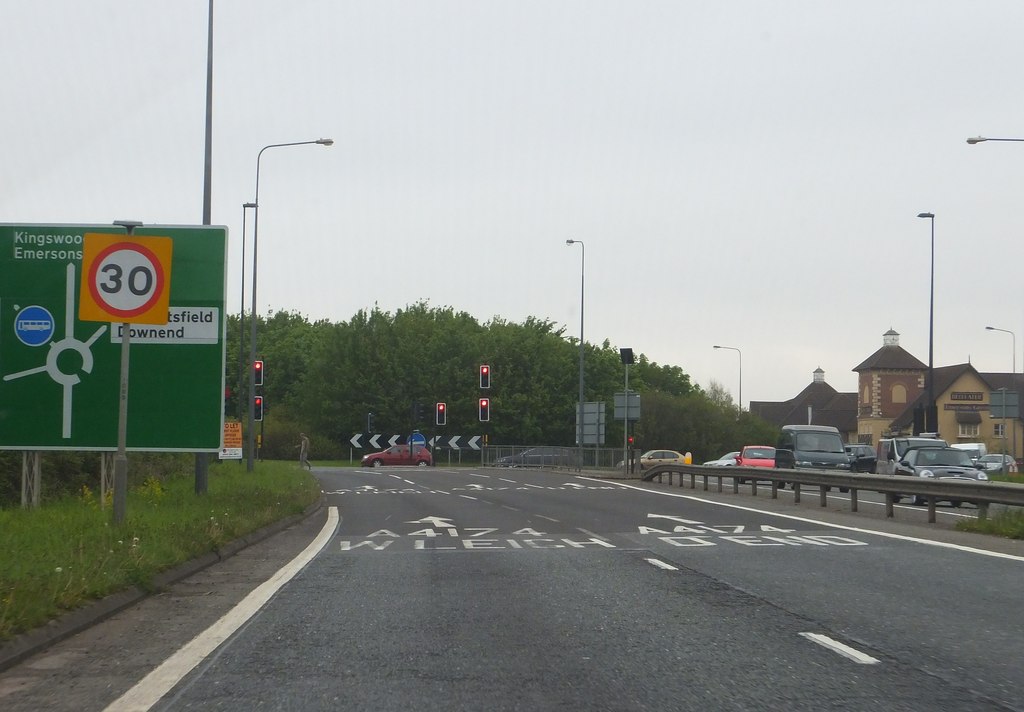
Right now, the trend seems to be moving towards much higher electrical demands in older Bristol properties, especially with everyone looking at EV chargers and smarter heating. When you look at it all together, an electrical inspection isn’t just a box-ticking exercise for a mortgage; it’s a way to understand the long-term value and safety of your new investment. We aim for tidy workmanship and clear, upfront pricing so you can focus on moving in instead of worrying about hidden faults.
Local areas we cover in Bristol
Wherever you are in Bristol, our electricians respond quickly to emergencies and planned works. Expect upfront quotes, punctual arrivals, and documented results. Popular requests include emergency electrician visits, consumer unit upgrades, house rewires, landlord EICRs, EV charger installs, and solar PV systems. Book online in under a minute or call our team for immediate help.
Bristol coverage areas:
Engineers routed via M32, M4/M5 and A4 for rapid response
Ashley Down
Barr’s Court
Bishopston
Emerson’s Green
Hanham
Henleaze
Long Ashton
Longwell Green
Southmead
Southville
Stapleton
Stoke Lodge
Thornbury
Warmley
Westbury Park
Winterbourne
Yate
Almondsbury
Alveston
Avonmouth
Bedminster
Bitton
Bradley Stoke
Brislington
Bristol
Bromley Heath
Chipping Sodbury
Clevedon
Clifton
Coalpit Heath
Cotham
Downend
Easton
Eastville
Filton
Fishponds
Frampton Cotterell
Frenchay
Horfield
Keynsham
Kingswood
Knowle
Lyde Green
Mangotsfield
Nailsea
Patchway
Pill
Portishead
Redfield
Redland
Saltford
Sneyd Park
Soundwell
St Andrews
St George
Stoke Bishop
Westbury on Trym
Weston-super-Mare
Whitchurch
Swindon
Professional electricians serving Old Town, Wroughton, Highworth and surrounding areas.
South Wales
Local engineers across Cardiff, Newport, Bridgend and the Valleys.
Gloucestershire
Covering Bradley Stoke, Kingswood, Yate, Thornbury and more.
Bath
Trusted, tidy and on‑time electricians across Bathwick, Twerton, Odd Down and nearby villages.
Frequently Asked Questions
Find answers to common questions here
An electrical installation condition report (EICR) identifies any damage, deterioration, defects and/or conditions which may give rise to danger along with observations for which improvement is recommended.
Prices are as follows:
£228.00 (plus VAT) for up to and including 10 circuits.
Extra circuits tested will be charged at £28.50+vat each.
Also, a bespoke quote can be arranged on request.
From 1st June 2020, private landlords in England will be required to have the electrical installation in their rental properties checked by a qualified electrician to ensure that they are safe.
This means that:
• Electrical installations must be inspected and tested prior to the start of a new tenancy from 1st July 2020
• Checks must be carried out on any existing tenancies by 1st April 2021
These checks must then be carried out on a five yearly basis.
A copy of the most recent electrical safety condition report (EICR) must be provided to both new and retained tenants.
The landlord is responsible for making sure that the person who completes the check is suitably competent. Using an electrician or firm that is a member of an accredited registration scheme operated by a recognized body will give you the confidence that this has been achieved.
Electrical installations are not immune to the process of ageing, deterioration and even general wear and tear. For this reason, an EICR should be conducted at regular intervals. British Standard BS 76719 (IET Wiring Regulations) recommends the following intervals for businesses, landlords and homeowners:
- Businesses – employers are recommended to have an EICR test undertaken once every five years.
- Buy-to-let or rented property – landlords should have an EICR test done every five years or when new tenants enter the property.
- Homeowners – an EICR is recommended every 10 years. If the property has a swimming pool, this should be tested once every year.
Electrical installation condition report
As a homeowner, you want the peace of mind that the electrics in your home are safe. The building regulations require your electrical installation is tested every ten years if you own your home, and every five years if you are a landlord or live in rented accommodation.
The Electrical Installation Condition Report (EICR), previously known as the Periodic Inspection Report, is carried out by a qualified electrician and involves the following:
- Inspection of earthing system and supply characteristics.
- Inspection of the consumer unit or fuse board.
- Inspection of methods of installation and wiring.
- Inspection of a sample of switches, sockets and other fixtures including light fittings.
- Checking and testing the polarity of the installation.
- Checking and testing earth continuity of circuits.
- Checking and testing the integrity of the insulation of cabling
- Testing protective devices to ensure they work to protect you and your family from electric shock.
Around 3-4 hours
It is generally recommended that an EICR is carried out every ten years (five for privately rented properties) or when there is a change of occupancy in a dwelling. Typically an EICR will take around 3-4 hours to complete, depending on the size of a property and the number of circuits requiring testing.
An EICR will check if your property’s electrics have any faults that cannot be identified through a visual check. A number of faults may occur, such as electrical circuits being overloaded or overheating during use. If any electrical circuit is not properly installed – for example, without earthing or bonding to safely secure the electrics – it may potentially cause a fire or shock hazard. EICR testing will identify any defective electrical work within the system.
A visual check can also be performed to give you a quick analysis of how safe your property is. This will look for broken sockets and light switches, damaged cables and scorching / burn marks as a result of overloading the power outlet. It will also look at the residual current device (RCD) for the circuits that operate the bathrooms and gardens. It is recommended that this visual check is completed at regular intervals in between the more in-depth EICR tests.After the test has been completed, the testing engineer will produce a certificate for you. It will detail any damages, deterioration, defects or other dangerous conditions. It will also highlight anything that doesn’t match the present day safety standards and things that might put people at risk.Should the EICR test come back as negative, the EICR will be classed as “unsatisfactory” meaning that the required work needs to be done, without delay, to remove the risk to those living or working at the property. As well as returning an “unsatisfactory” result, the report will detail which electrical system(s) failed the test. Work required is classified using the following codes:</p?
- C1 – ‘danger is present’, risk of injury is likely and immediate action is required.
- C2 – potentially dangerous and remedial action is needed urgently.
- C3 – improvement to your electrical system is recommended. C3 is the only classification code that can appear on a report and still pass the EICR test.
Once your electrical system has passed the inspection fully and any urgent remedial work has been completed, you will be provided with an EICR Certificate of Safety, giving you peace of mind that your electrics are safe.
While there isn’t any legislation that specifically says homeowners, businesses or landlords should have an EICR certificate, laws such as the Landlord and Tenants Act (1985) and Health and Safety at Work Act (1974) outline the responsibilities that landlords and employers have with regards to the safety of tenants and employees respectively. The Electricity at Work Regulations 1989 also require that precautions are taken against the risk of injury sustained from electricity used in work activities.